
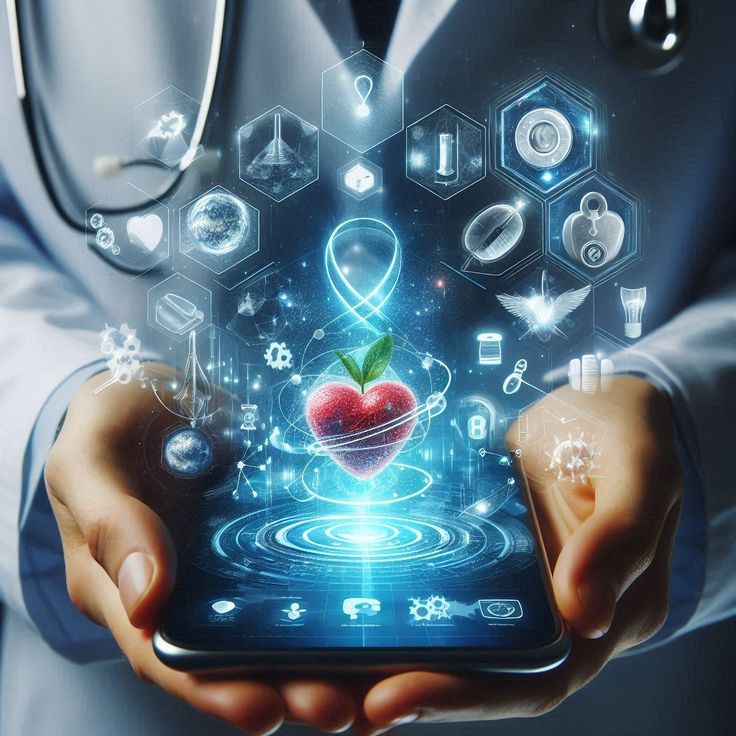
Healthcare Solutions: Transforming the Future of Medical Care with Digital Innovation
Introduction
The healthcare industry is rapidly evolving with the integration of advanced technology and digital transformation. Healthcare solutions today are no longer limited to traditional hospital services—they now include AI-powered systems, telemedicine platforms, electronic health records (EHR), and smart diagnostic tools.
These innovations are improving patient care quality, reducing operational costs, and enhancing hospital efficiency across the globe.
What Are Healthcare Solutions?
Healthcare solutions refer to a wide range of technologies, services, and systems designed to improve medical care delivery. These solutions help hospitals, clinics, and healthcare providers manage patients more efficiently and accurately.
Key components include:
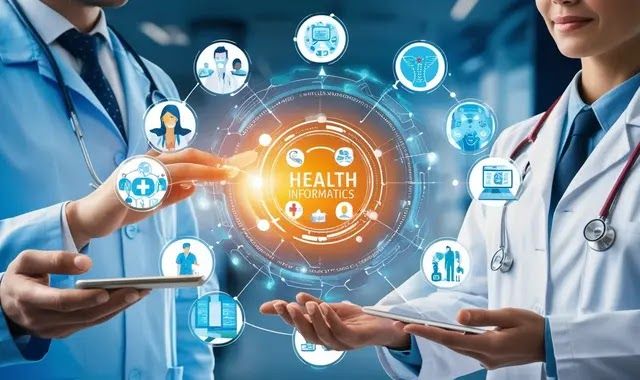
Digital patient management systems
Electronic Health Records (EHR)
Telemedicine platforms
AI-based diagnosis tools
Hospital management software
Remote patient monitoring systems
Importance of Healthcare Solutions in Modern Medicine
Healthcare solutions play a crucial role in modern healthcare systems. They help medical professionals make faster and more accurate decisions while improving patient outcomes.
Key Benefits:
- Faster diagnosis and treatment
- Reduced human errors
- Improved patient data management
- Better communication between doctors and patients
- Cost-effective healthcare services
- Remote access to healthcare services
Types of Healthcare Solutions
1. Digital Healthcare Systems
These systems include electronic records, digital prescriptions, and automated hospital workflows that reduce paperwork and improve efficiency.
2. Telemedicine Solutions
Telemedicine allows patients to consult doctors remotely through video calls or mobile apps, making healthcare accessible from anywhere.
3. AI in Healthcare
Artificial intelligence helps in early disease detection, medical imaging analysis, and predictive healthcare analytics.
4. Remote Patient Monitoring
Wearable devices and IoT-based tools allow doctors to monitor patients’ health in real-time from remote locations.
5. Hospital Management Systems
These systems manage hospital operations such as appointments, billing, patient records, and staff management efficiently.
How Digital Transformation Is Changing Healthcare
Digital transformation is reshaping healthcare into a more connected, data-driven, and patient-focused system.
- Cloud-based systems store patient data securely
- AI tools assist doctors in diagnosis
- Mobile apps improve patient engagement
- Automated systems reduce administrative workload
- Data analytics improves decision-making
Challenges in Healthcare Solutions
Despite advancements, the healthcare industry still faces several challenges:
- Data privacy and security concerns
- High implementation costs
- Lack of digital training among staff
- Integration issues between systems
- Regulatory compliance requirements
Future of Healthcare Solutions
The future of healthcare is highly dependent on technology and innovation. Emerging trends include:
- AI-powered virtual doctors
- Smart wearable health devices
- Blockchain-based medical records
- Robotics in surgery
- Fully automated hospitals
These innovations will make healthcare more personalized, predictive, and preventive.
Conclusion
Healthcare solutions are revolutionizing the medical industry by improving efficiency, accuracy, and accessibility. With the help of digital technologies like AI, telemedicine, and data analytics, healthcare providers can deliver better care and save more lives.
The future of healthcare is digital, and organizations that adopt these solutions will lead the next generation of medical innovation.