
Powering the Future of Smart Technology
The Internet of Things (IoT) has revolutionized how devices communicate, collect data, and automate processes. At the heart of every IoT solution lies an embedded system—a specialized computing system designed to perform dedicated functions efficiently and reliably.
IoT embedded systems are driving innovation across industries, enabling smart homes, connected healthcare devices, industrial automation, smart cities, and intelligent transportation systems. As businesses embrace digital transformation, IoT embedded systems have become essential for improving efficiency, reducing costs, and creating data-driven solutions.
What Are IoT Embedded Systems?
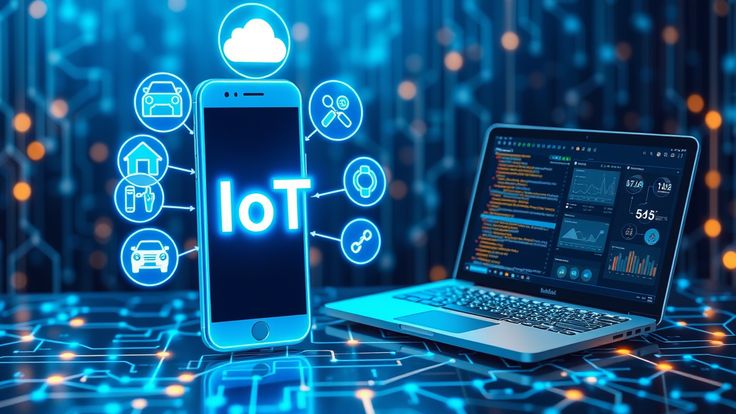
An IoT embedded system is a combination of hardware and software designed to collect, process, and transmit data through connected devices.
These systems typically include:
- Microcontrollers and processors
- Sensors and actuators
- Wireless communication modules
- Embedded software and firmware
- Cloud connectivity platforms
- Real-time data processing capabilities
Together, these components enable devices to communicate with each other and make intelligent decisions without human intervention.
Key Components of IoT Embedded Systems
Embedded Hardware
The hardware serves as the physical foundation of an IoT device and may include:
- Microcontrollers (MCUs)
- Microprocessors (MPUs)
- Sensors
- Power management units
- Communication modules
Reliable hardware ensures stable performance and long-term durability.
Embedded Software
Embedded software controls device functionality and manages communication between hardware components.
Functions include:
- Data acquisition
- Device monitoring
- Real-time control
- Security management
- Communication protocols
Efficient software design is critical for optimal system performance.
Sensors and Actuators
Sensors collect data from the environment, while actuators perform actions based on received instructions.
Examples include:
- Temperature sensors
- Motion sensors
- Pressure sensors
- Humidity sensors
- Smart switches
- Motor controllers
These components enable intelligent automation and monitoring.
Connectivity Technologies
IoT devices rely on communication technologies such as:
- Wi-Fi
- Bluetooth
- Zigbee
- LoRaWAN
- NB-IoT
- 5G Networks
Connectivity allows devices to exchange data with cloud platforms and other connected systems.
Benefits of IoT Embedded Systems
Real-Time Monitoring
Organizations can monitor equipment, environments, and operations in real time.
Benefits include:
- Immediate issue detection
- Improved decision-making
- Increased operational visibility
Automation and Efficiency
IoT embedded systems automate repetitive tasks and reduce manual intervention.
Advantages include:
- Higher productivity
- Reduced operational costs
- Faster response times
Data-Driven Insights
Connected devices generate valuable data that organizations can analyze to improve performance and predict future outcomes.
Improved Reliability
Embedded systems are designed for specific functions, providing greater stability and reliability compared to general-purpose computing systems.
Applications of IoT Embedded Systems
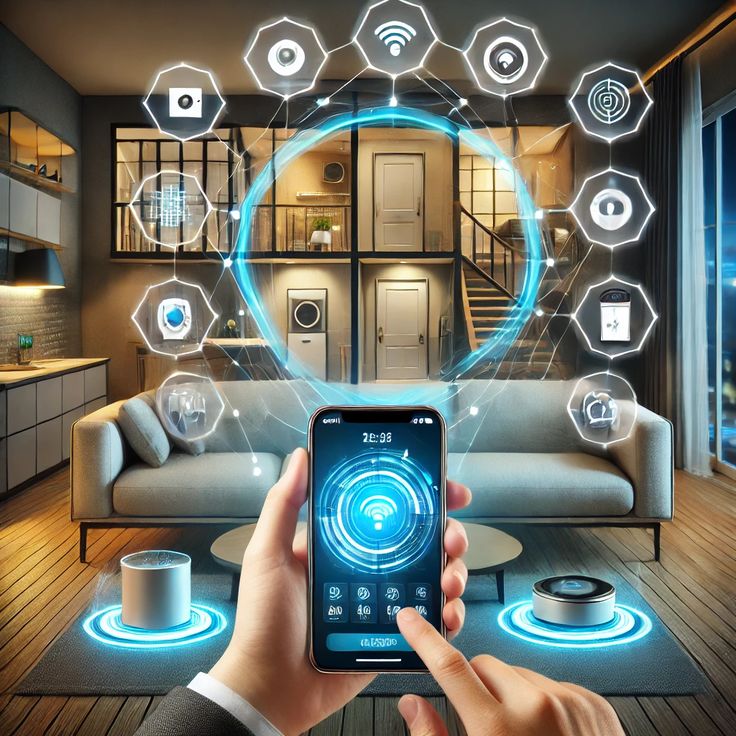
Smart Homes
IoT-enabled smart homes offer convenience, security, and energy efficiency.
Examples include:
- Smart lighting
- Smart thermostats
- Home security systems
- Voice-controlled devices
- Energy management systems
Industrial IoT (IIoT)
Manufacturing facilities use embedded IoT systems for:
- Predictive maintenance
- Asset tracking
- Production monitoring
- Quality control
- Equipment automation
Industrial IoT improves operational efficiency and reduces downtime.
Healthcare and Medical Devices
Healthcare organizations leverage IoT embedded systems for:
- Remote patient monitoring
- Wearable health devices
- Smart medical equipment
- Real-time health tracking
These solutions improve patient care and healthcare accessibility.
Smart Agriculture
Farmers use IoT devices to monitor:
- Soil moisture
- Weather conditions
- Irrigation systems
- Crop health
- Livestock management
IoT helps increase agricultural productivity while conserving resources.
Smart Cities
Governments and municipalities use IoT technology to enhance urban infrastructure.
Applications include:
- Traffic management
- Smart street lighting
- Waste management
- Environmental monitoring
- Public safety systems
Smart city solutions improve quality of life and resource utilization.
Security Challenges in IoT Embedded Systems
As the number of connected devices grows, cybersecurity becomes increasingly important.
Common security challenges include:
- Unauthorized device access
- Data breaches
- Malware attacks
- Weak authentication mechanisms
- Network vulnerabilities
Best Security Practices
- End-to-end encryption
- Secure firmware updates
- Strong authentication
- Network segmentation
- Continuous monitoring
Implementing robust security measures protects both devices and sensitive data.
Edge Computing and IoT
Edge computing processes data closer to the source rather than sending all information to the cloud.
Benefits include:
- Lower latency
- Faster decision-making
- Reduced bandwidth usage
- Improved reliability
- Enhanced security
The combination of edge computing and IoT embedded systems is enabling more responsive and intelligent applications.
Future Trends in IoT Embedded Systems
Several emerging technologies are shaping the future of IoT:
Artificial Intelligence Integration
AI enables IoT devices to analyze data and make intelligent decisions autonomously.
5G Connectivity
5G networks provide faster communication speeds and support billions of connected devices.
Digital Twins
Digital twin technology creates virtual replicas of physical systems for monitoring and optimization.
Sustainable IoT Solutions
Energy-efficient devices and green technologies are becoming increasingly important for sustainable development.
Why Businesses Should Invest in IoT Embedded Systems
Organizations adopting IoT embedded systems gain several competitive advantages:
- Enhanced operational efficiency
- Better customer experiences
- Reduced maintenance costs
- Improved productivity
- Greater innovation opportunities
- Data-driven business intelligence
IoT technology enables companies to modernize operations and remain competitive in a rapidly evolving digital landscape.
Conclusion
IoT embedded systems are the backbone of modern smart technologies. From industrial automation and healthcare to smart cities and connected homes, these systems are transforming the way organizations operate and deliver value.
As advancements in AI, edge computing, cloud technology, and 5G continue to evolve, IoT embedded systems will play an even greater role in shaping the future of connected devices and intelligent automation.
Businesses that invest in IoT embedded solutions today will be better positioned to drive innovation, improve efficiency, and achieve sustainable growth in the years ahead.