
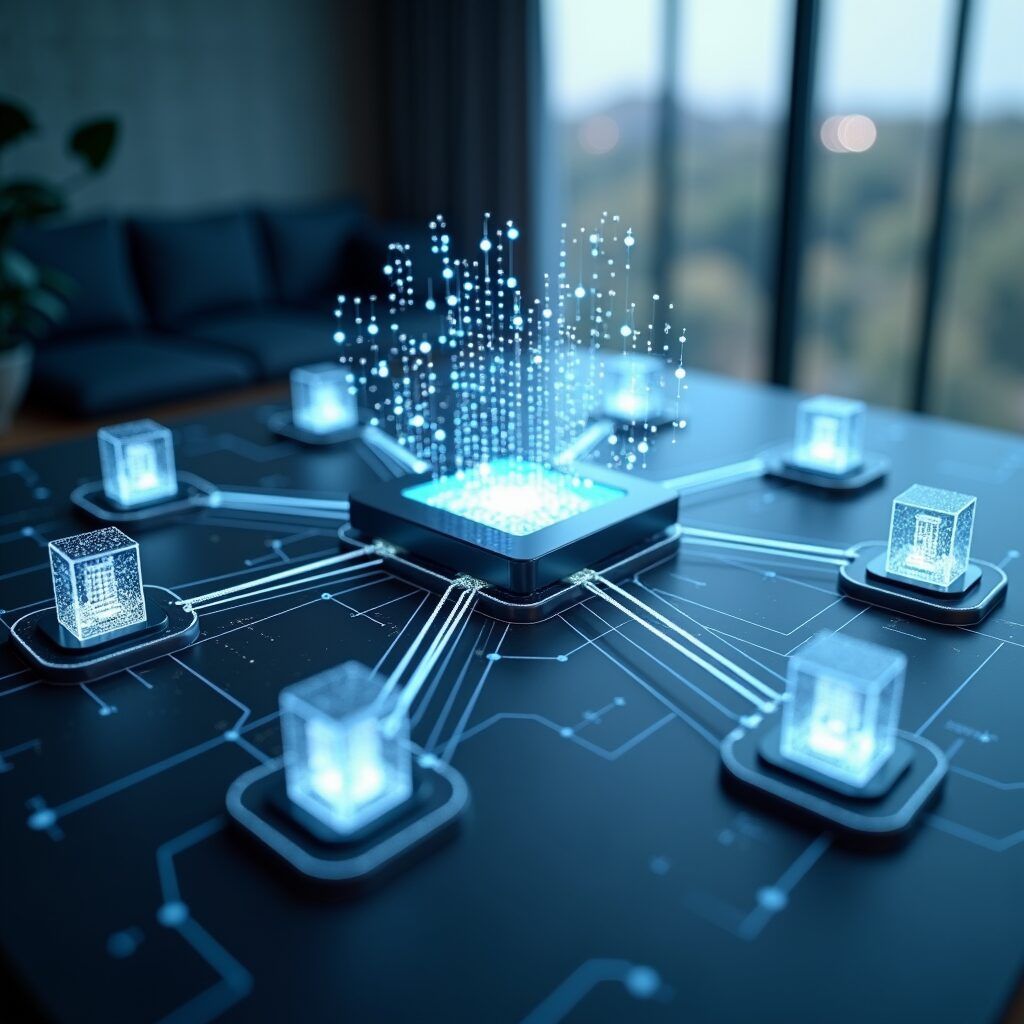
Driving Smart Innovation with Connected Technology
The Internet of Things (IoT) is transforming industries by connecting devices, machines, and systems to the internet for seamless communication and intelligent automation. At the core of this transformation are IoT embedded systems—specialized hardware and software solutions designed to collect data, process information, and control devices in real time.
From smart homes and industrial automation to healthcare monitoring and smart agriculture, IoT embedded systems are helping businesses improve efficiency, reduce costs, and create innovative digital experiences.
What Are IoT Embedded Systems?
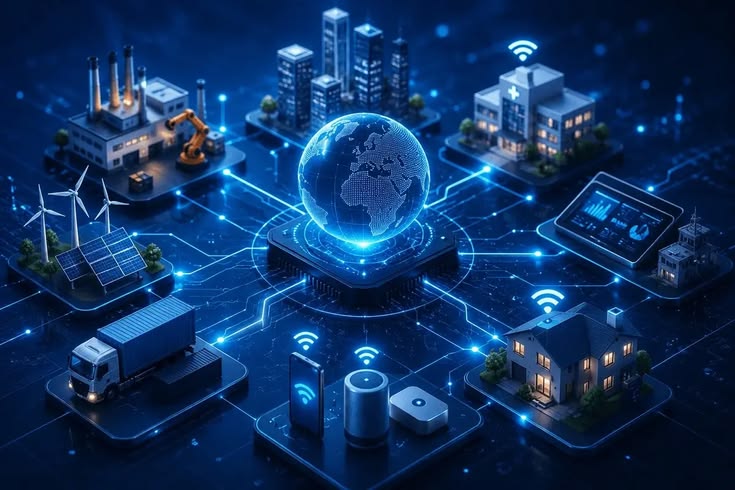
An IoT embedded system is a combination of hardware, firmware, sensors, communication modules, and software that performs dedicated tasks while connecting to other devices or cloud platforms through the internet.
These systems gather real-time data from sensors, process it locally or in the cloud, and enable automated actions based on predefined rules or analytics.
Why IoT Embedded Systems Matter
Modern organizations need real-time visibility into their operations. IoT embedded systems provide continuous monitoring, automation, and remote control, helping businesses make faster and more informed decisions.
Key advantages include:
- Real-time data collection
- Intelligent automation
- Remote device monitoring
- Improved operational efficiency
- Predictive maintenance
- Reduced operational costs
- Better resource utilization
- Enhanced safety and security
Key Features of IoT Embedded Systems
Sensor Integration
Collect data from temperature, humidity, pressure, motion, GPS, light, vibration, and other sensors.
Real-Time Data Processing
Process and analyze sensor data instantly for rapid decision-making.
Wireless Connectivity
Support communication technologies such as Wi-Fi, Bluetooth, Zigbee, LoRaWAN, Ethernet, NB-IoT, and 4G/5G.
Cloud Integration
Synchronize device data with secure cloud platforms for monitoring, analytics, and storage.
Remote Device Management
Monitor, configure, troubleshoot, and update connected devices from anywhere.
Edge Computing
Process critical data near the source to reduce latency and improve performance.
Security Features
Protect connected devices with encryption, secure authentication, firmware updates, and access control.
Low Power Consumption
Optimize energy usage to extend battery life in portable and remote IoT devices.
Benefits of IoT Embedded Systems
Increased Automation
Reduce manual intervention by automating repetitive tasks and processes.
Improved Operational Efficiency
Monitor equipment performance continuously and identify issues before they become major problems.
Better Decision-Making
Real-time insights enable organizations to make informed operational and strategic decisions.
Cost Reduction
Minimize downtime, optimize maintenance schedules, and improve resource management.
Enhanced Customer Experience
Deliver smarter products and connected services with real-time monitoring and support.
Scalability
Expand connected device networks as business requirements grow without significant infrastructure changes.
Applications of IoT Embedded Systems
IoT embedded systems are used across a wide range of industries, including:
Smart Homes
- Smart lighting
- Security systems
- Smart thermostats
- Home automation
- Energy management
Industrial Automation
- Machine monitoring
- Predictive maintenance
- Production line automation
- Industrial robotics
- Asset tracking
Healthcare
- Remote patient monitoring
- Wearable medical devices
- Smart diagnostic equipment
- Connected hospital systems
Agriculture
- Smart irrigation
- Soil moisture monitoring
- Livestock tracking
- Weather monitoring
- Precision farming
Transportation & Logistics
- Fleet management
- Vehicle tracking
- Cold chain monitoring
- Fuel management
- Route optimization
Smart Cities
- Smart parking
- Intelligent traffic management
- Environmental monitoring
- Smart street lighting
- Waste management
Retail
- Smart shelves
- Inventory monitoring
- Connected POS systems
- Customer behavior analytics
Technologies Behind IoT Embedded Systems
Modern IoT solutions combine several advanced technologies, including:
- Embedded Microcontrollers
- Embedded Linux
- Real-Time Operating Systems (RTOS)
- ARM Processors
- Edge Computing
- Artificial Intelligence (AI)
- Machine Learning (ML)
- Cloud Computing
- MQTT Communication
- REST APIs
- Wireless Communication Protocols
- GPS & GNSS Technologies
Together, these technologies enable reliable, secure, and scalable connected systems.
Challenges in IoT Development
Building IoT embedded systems requires addressing several challenges:
- Device security
- Data privacy
- Network reliability
- Power management
- Scalability
- Firmware updates
- Device interoperability
- Real-time performance
Choosing the right architecture and development partner helps overcome these challenges effectively.
Why Choose Riotech Softwares for IoT Embedded System Development?
At Riotech Softwares, we design and develop intelligent IoT embedded solutions tailored to your business needs. Our team combines expertise in embedded hardware, firmware, cloud integration, and application development to build secure and scalable connected systems.
Our services include:
- Custom IoT Solution Development
- Embedded System Design
- Firmware Development
- Sensor Integration
- Industrial IoT (IIoT) Solutions
- Smart Device Development
- IoT Mobile Applications
- Cloud Integration
- Real-Time Monitoring Dashboards
- Edge Computing Solutions
- Device Testing & Maintenance
Whether you are launching a smart product or modernizing industrial operations, we deliver IoT solutions that drive innovation and efficiency.
Future of IoT Embedded Systems
The future of IoT embedded systems is being shaped by:
- Artificial Intelligence at the Edge
- 5G Connectivity
- TinyML for Low-Power Devices
- Digital Twins
- Autonomous Systems
- Smart Manufacturing
- Connected Healthcare
- Sustainable Smart Cities
- Advanced Cybersecurity
- Green IoT Technologies
As connected devices become more intelligent and efficient, IoT embedded systems will continue to play a critical role in digital transformation across industries.
Conclusion
IoT embedded systems are the backbone of today’s connected world. By combining sensors, embedded hardware, communication technologies, and intelligent software, businesses can automate operations, improve efficiency, and deliver innovative products and services.
Whether you’re building a smart home device, industrial automation platform, healthcare solution, or connected agricultural system, investing in reliable IoT embedded systems provides a strong foundation for future growth and innovation.