

Best CRM Software Solutions for Business Growth in 2026
Customer Relationship Management (CRM) software has become an essential tool for businesses looking to improve customer interactions, manage sales pipelines, and increase productivity. In 2026, companies are increasingly relying on CRM solutions to streamline operations and build stronger customer relationships.
Whether you run a small business or a large enterprise, implementing the right CRM system can help you organize customer data, automate tasks, and boost sales performance.
What is CRM Software?
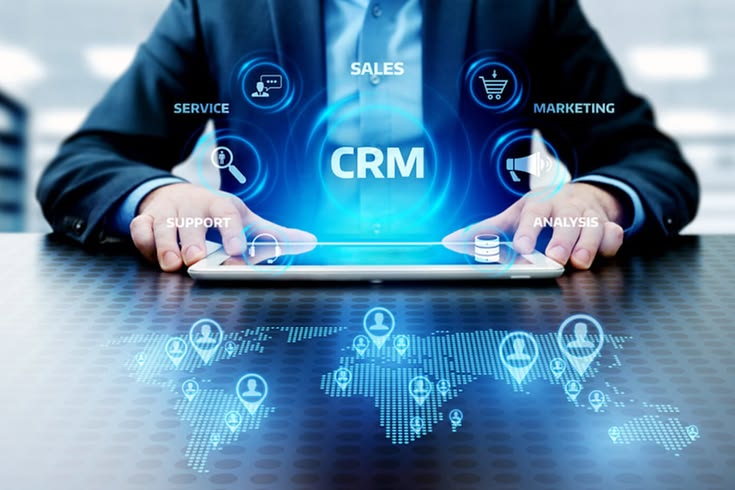
CRM software is a business management tool that helps companies manage customer interactions, sales processes, marketing campaigns, and support services in one centralized platform.
CRM systems allow businesses to:
Store customer information
Track customer interactions
Automate sales processes
Improve communication
Analyze customer behavior
Increase team collaboration
Modern CRM solutions offer cloud-based accessibility, AI-powered analytics, and automation tools for better business efficiency.
Benefits of CRM Software
1. Improved Customer Relationships
CRM software helps businesses understand customer needs and preferences by tracking interactions and purchase history. Personalized communication improves customer satisfaction and loyalty.
2. Better Sales Management
Sales teams can manage leads, opportunities, and follow-ups more effectively using CRM systems. Automated reminders and sales tracking improve conversion rates.
3. Increased Productivity
Automation features reduce repetitive manual tasks such as data entry, email follow-ups, and reporting. Employees can focus more on customer engagement and sales growth.
4. Enhanced Data Organization
CRM systems centralize all customer data in one secure platform, making it easy for teams to access information quickly and efficiently.
5. Real-Time Analytics
Businesses can monitor performance metrics, customer trends, and sales reports through detailed dashboards and analytics tools.
Features to Look for in CRM Software
Choosing the right CRM software depends on your business needs. Important features include:
- Contact management
- Lead tracking
- Sales automation
- Email integration
- Marketing tools
- Customer support management
- Reporting and analytics
- Mobile accessibility
- Cloud storage
- Workflow automation
Businesses should select CRM software that supports scalability and future growth.
Types of CRM Software
Operational CRM
Operational CRM focuses on automating business processes such as sales, marketing, and customer support.
Analytical CRM
Analytical CRM helps businesses analyze customer data and improve decision-making using insights and reporting tools.
Collaborative CRM
Collaborative CRM improves communication between departments to provide better customer experiences.
Industries Using CRM Software
CRM software is widely used across multiple industries, including:
- Healthcare
- Real estate
- E-commerce
- Education
- Finance
- Retail
- IT services
- Hospitality
Every industry benefits from organized customer management and improved business communication.
CRM Trends in 2026
The CRM industry is evolving rapidly with advanced technologies. Key trends include:
- AI-powered customer insights
- Predictive analytics
- Chatbot integration
- Mobile CRM applications
- Automation and workflow tools
- Personalized customer experiences
Businesses adopting modern CRM technologies can gain a competitive advantage and improve operational efficiency.
How CRM Helps Small Businesses
Small businesses often struggle with managing customer data and sales operations. CRM software helps small businesses:
- Improve customer engagement
- Increase lead conversion
- Save time through automation
- Manage tasks efficiently
- Build stronger customer relationships
Affordable cloud-based CRM platforms make it easier for startups and small businesses to access advanced features.
Conclusion
CRM software is a powerful business solution that improves customer management, sales performance, and operational efficiency. Businesses investing in modern CRM systems can streamline workflows, increase productivity, and build long-term customer relationships.
As technology continues to evolve, CRM solutions will play an even bigger role in business growth and customer experience management.